Why Radon in Basement Levels Are Often Highest and What to Do About It
After years of testing homes across the St. Louis area, I have seen the same pattern again and again. The highest radon readings almost always come from the lowest level of the house. Whether you call it a basement, a crawl space, or a slab-on-grade utility room, the physics is simple. Radon enters from the soil beneath the foundation, and that soil contact is greatest at the lowest floor. The result is that radon in basement spaces tends to accumulate more than anywhere else in the building. Understanding why this happens, and how to address it, can mean the difference between a safe living environment and long-term exposure to radon gas decay products.
Many homeowners assume that radon is an indoor air quality problem they would notice by smell or sight. But radon is invisible and odorless. The only way to know your level is to test. And if you test in the basement, you are measuring the most likely source of the problem. This is not a St. Louis issue alone. The EPA radon zone map shows large swaths of the Midwest, including Missouri and Illinois, in Zone 1, meaning predicted average indoor radon levels above the action level of 4 picocuries per liter. But even within a high-risk zone, local variation is dramatic. I have seen neighboring houses with readings that differ by a factor of ten, purely because of differences in soil permeability, foundation type, or basement finishing.
Why Basements Are the Primary Entry Point
Radon moves from soil into a building through pressure-driven flow and diffusion. The basement floor and walls are in direct contact with the soil, so any crack, joint, or utility penetration becomes a potential entry route. Common pathways include the gap between the slab and the foundation wall, floor drains, sump pits, and even the tiny pores in concrete. In homes with a gypsum concrete subfloor, the material itself can be porous enough to allow radon to pass through if the subfloor is not sealed properly. Once radon enters the basement, it can mix with indoor air and then migrate to upper floors through stairwells, HVAC ducts, and other openings. But the highest concentration remains at the point of entry, which is why a short-term radon test placed in the basement is the standard screening method for the whole house.
I once consulted on a home in a St. Louis radon hot spot where the owners had finished their basement into a home theater. The short-term test came back at 18 pCi/L, more than four times the EPA action level. The owners were shocked because they had never tested. They had assumed that because the basement was dry and had no musty smell, there was no problem. That is a common misconception. Radon does not care about humidity or odor. It can be present in a perfectly clean, dry basement. The only way to know is to test, and the only way to fix it is through proven mitigation techniques.
Testing Before You Mitigate
Before you call a radon mitigation contractor, you need a reliable measurement. A short-term radon test, typically a charcoal canister or an alpha-track detector left in place for two to seven days, gives you a snapshot. It is inexpensive and effective for screening. But if you want a more detailed picture of how radon levels fluctuate over time, a continuous radon monitor can log readings every hour for days or weeks. I have used continuous monitors in homes where the radon in basement level varied with barometric pressure and rainfall. In one case, the readings spiked to 30 pCi/L after a heavy rain, then dropped back to 6 pCi/L when the weather cleared. A short-term test taken during that rainy period would have overestimated the average, while a test taken during dry weather would have underestimated it. For that reason, I often recommend starting with a short-term test and following up with a continuous monitor if the initial result is near the action level.
Testing is not a one-time event. Even after mitigation, you need a post-mitigation radon test to verify that the system is working. The National Radon Proficiency Program lists qualified professionals who can perform these tests and interpret results. Always use a certified tester, especially if the result will be used for a real estate transaction or a new construction compliance certificate.
Mitigation Strategies That Actually Work
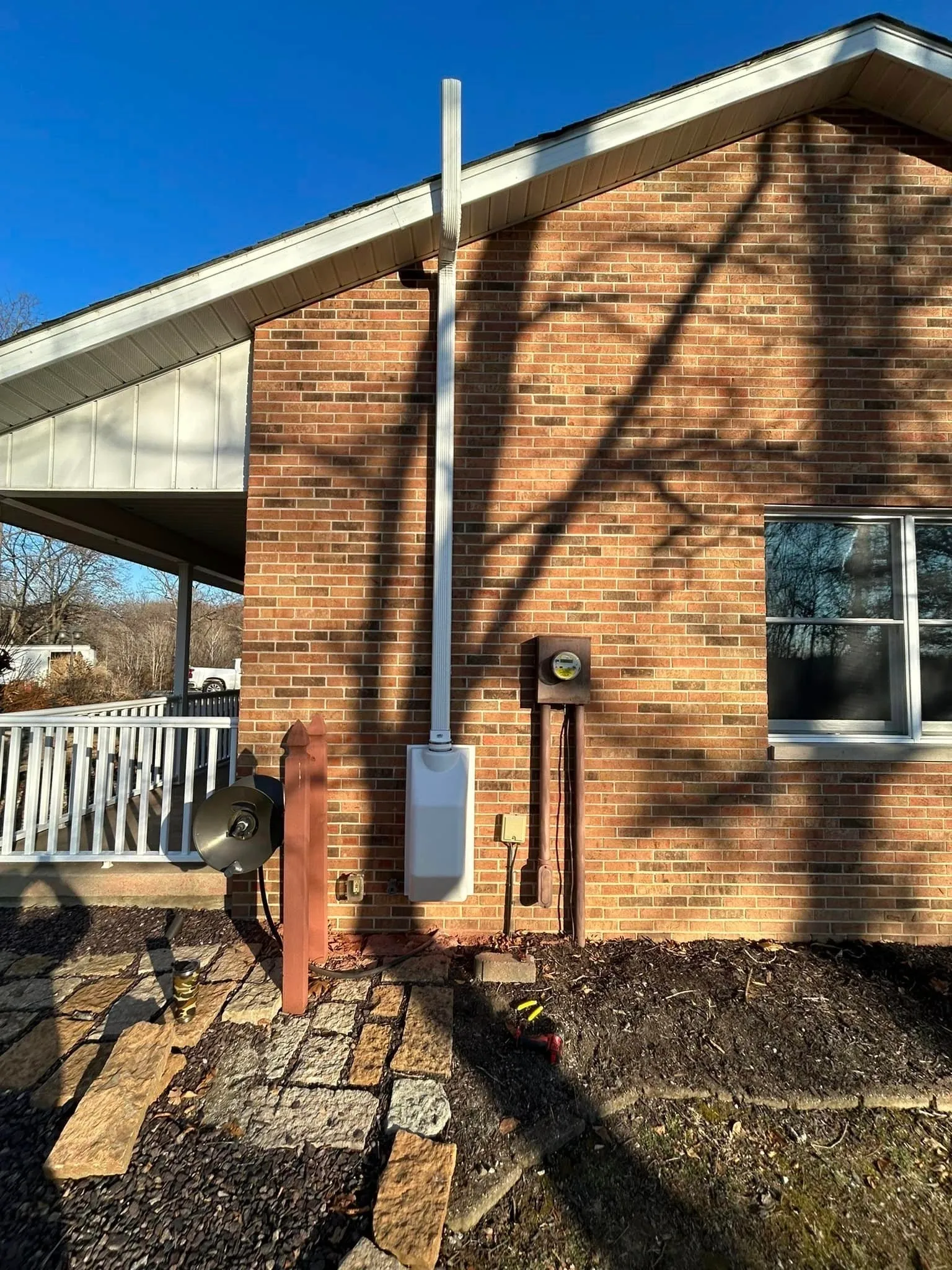
The most common and effective method for reducing radon in basement levels is a technique called active soil depressurization. The principle is simple. Create a vacuum beneath the slab so that soil gases are pulled away from the foundation and vented safely above the roof line. There are two main variations: sub-slab depressurization and a passive sump system. In sub-slab depressurization, one or more suction points are drilled through the concrete floor into the gravel layer beneath. A PVC vent pipe runs from each suction point up through the house to the roof, and a radon mitigation system fan is installed in the pipe to create continuous suction. The fan is usually mounted in the attic or outside the home, and it runs 24/7.
A passive sump system is similar but uses a sump pit dug into the soil beneath the slab, often combined with a sealed sump cover. This can be a good option when the sub-slab material is not permeable enough to allow a single suction point to cover the entire footprint. In some homes, a combination of both methods is needed. I have installed systems where we used three suction points across a large basement, each connected to a common header pipe with a single high-performance fan. The key is to have a thorough site evaluation before deciding on the design. A good contractor will perform a smoke test or a pressure field extension test to determine how far the vacuum extends from each suction point.
For homes under construction, radon-resistant new construction techniques can prevent the problem before it starts. This typically includes a layer of clean gravel under the slab, a vapor barrier, a sealed sump pit, and a passive vent pipe that can be upgraded to an active system later if needed. Some builders also install an air exchanger to bring in fresh outdoor air and dilute radon levels, but that is usually a supplement to soil depressurization, not a replacement.
Other Factors That Affect Basement Radon Levels
Not all basements are the same. The type of foundation, the soil composition, and even the weather can influence how much radon enters. For example, homes built on karst or fractured bedrock often have higher radon potential because the soil is more permeable. Kansas City radon levels are often cited as an example of this, with some areas of the city consistently testing above 10 pCi/L. But St. Louis has its own hot spots, particularly in areas with loess soil or where limestone bedrock is close to the surface. I have seen homes in the same subdivision with very different results, simply because one lot had a higher soil permeability than the next.
Another factor that is sometimes overlooked is radon in water testing. If your home uses a private well, radon can enter the indoor air when water is used for showering, washing dishes, or laundry. The radon from water is usually a smaller contributor than the radon from soil, but it can still raise the overall level, especially in a basement where water is used frequently. A radon in water test can determine if this is a concern. If it is, a granular activated carbon filter or aeration system can treat the water at the point of entry.
Maintaining Your Mitigation System
An active soil depressurization system is not a set-and-forget solution. The radon mitigation system fan needs to run continuously. If it fails, the radon in basement levels can return to pre-mitigation levels within hours. Most quality fans come with a warning device, such as a manometer or a digital display, that shows when the fan is operating correctly. I recommend checking the gauge every month. If the reading changes significantly, the fan may be failing or the vent pipe may be blocked. A radon mitigation system warranty typically covers the fan and labor for a set period, but routine monitoring is the homeowner's responsibility.
I have also seen cases where homeowners inadvertently blocked the system by storing boxes or furniture against the vent pipe or by covering the suction point in a finished basement. Always keep the vent pipe clear and accessible. If the system was installed in a sump pit, make sure the sump cover is sealed and not damaged.
Finally, remember that radon levels can change over time. Soil shifts, foundation settling, and even changes in the water table can alter radon entry routes. It is a good practice to retest every two to five years, or after any major renovation that affects the basement. A radon mitigation contractor can help you interpret the results and decide if any adjustments are needed.
Summing It Up
Radon in basement spaces is a solvable problem, but it requires awareness, testing, and a properly designed mitigation system. The EPA radon zone map gives a regional risk picture, but only a test can tell you your actual exposure. If your short-term test comes back above 4 pCi/L, do not panic. Call a certified radon mitigation contractor, get a continuous radon monitor for a longer look, and then install a system that addresses the specific conditions of your home. Active soil depressurization, whether through sub-slab depressurization or a passive sump system, is proven to reduce radon levels by 80 to 99 percent. Combined with a good post-mitigation radon test and ongoing maintenance, you can make your basement a safe, healthy part of your home.